
Blog
My wish for the New Year: No More Bee Kills!
By now, the whole world knows that seven documented bumble bee kill incidents happened in Oregon during 2013-2014. These bee slaughters were caused by applications of neonicotinoid insecticides.


A New Farming Economy Shouldn’t Depend on Old WWII Warfare Chemicals
Clatsop County Commissioner Kathleen Sullivan delivered a message from her rural county to the Oregon Legislature during legislative hearings on two bills addressing two controversial pesticides. “I remember when I was a kid in 7th grade being told the American Bald Eagle was on the brink of extinction,” she said. “Today I can look up…
Trashy and Tricky
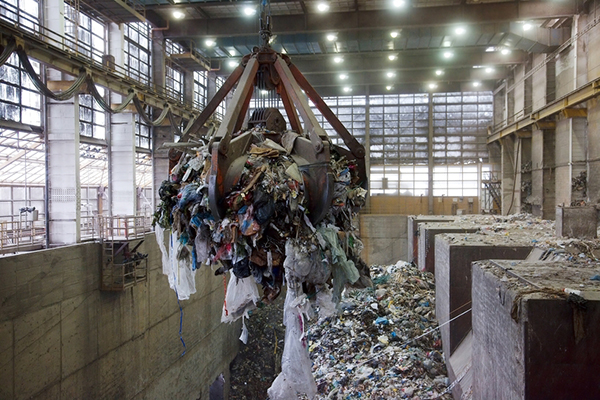
Have you noticed the red and white emissions stack to the east of I-5, just north of Salem? That is the Covanta Marion Municipal Solid Waste Incinerator. Covanta is a large corporation owning Oregon’s single trash incinerator. If you care about climate and resiliency, then you’ll want to know about the poison pill Covanta has…
How old growth Ponderosa pine trees became hazardous waste
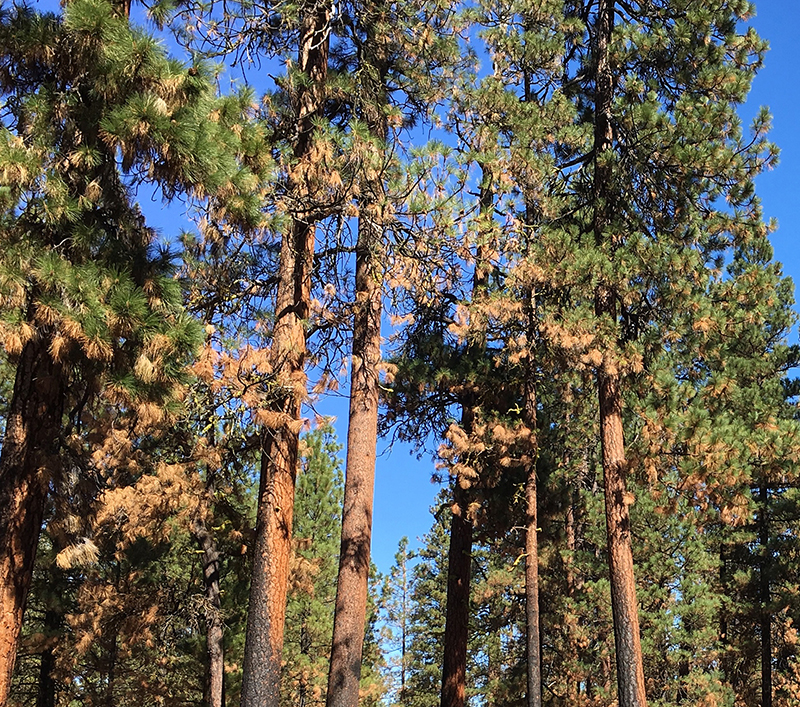
It may be easier to be concerned about wolves, salmon and eagles perishing than it is to feel remorse over dying Ponderosa pine trees. Yet, the presence of giant, old growth Ponderosas in central Oregon is as emblematic of a place as any furry, swimming or flying creature.

An Apple a Day Brings Pesticides Your Way
Today we’re partnering with Friends of The Earth to help them release a national study revealing unsafe levels of pesticides in commonly purchased grocery store foods, including data from Oregon. During late 2018, Beyond Toxics representatives participated in this research project by shopping at common grocery stores in Oregon, including Costco and Fred Meyer.
Central Oregon’s high desert beauty at risk from herbicide abuse
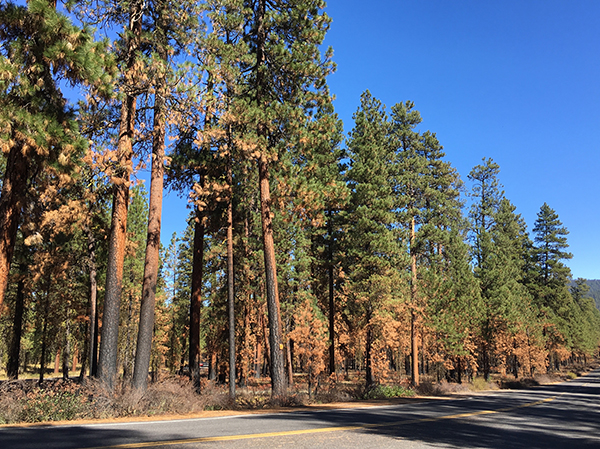
Oregon state and county agencies have breached the law and the majestic Ponderosa pines of Eastern Oregon are dying as a result. The already-parched and receding aquifers are at risk as well.

Bee City Eugene – what’s next?
By becoming a Bee City, The City of Eugene has formally acknowledged the importance of pollinators to healthy ecosystems and joined the national movement to protect and support our pollinators now and in the future. Bee Cities support collaboration to establish and maintain healthy pollinator habitats within city limits.

From Despair to Action: A Climate Activist Leader in the Making
Last November, I took my daughter to see 350.org’s community showing of Al Gore’s climate change film, An Inconvenient Sequel: Truth to Power, at Central Lutheran Church. I walked into the showing-room sanctuary where a man played the organ and multi-colored light crashed in through the stained glass windows. It seemed an appropriate venue to…
STORIES FROM THE FIELD: Public comment needed to protect children from air toxics
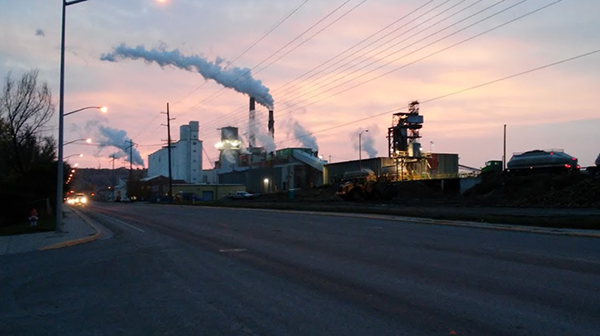
I wanted to share my story with you with the hope that it will inspire you to take action. I have lived in the Eugene area for over 15 years. My grandparents moved here in 1980 and bought a beautiful farm just outside of Cottage Grove. As an environmental justice organizer for Beyond Toxics I…
Counting on pollinators to return
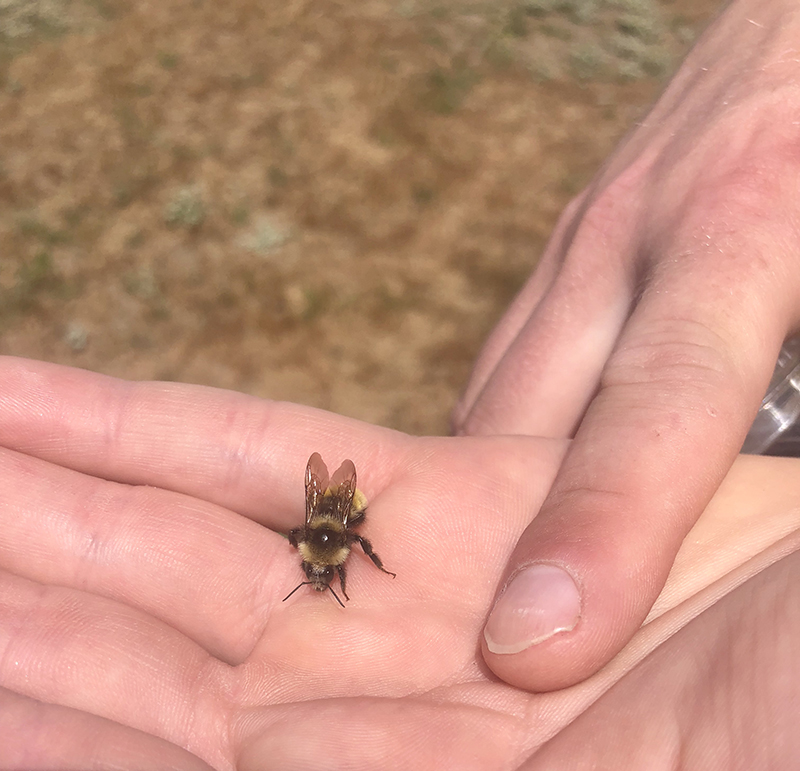
While working alongside other local naturalists and bee-enthusiasts at the 2nd Annual Bee Count, I was thrilled to discover that at least 24 different species of native bees have returned to the Whilamut Natural Area, a rehabilitated prairie habitat north of the Willamette River. This was a remarkable turn-around for this area since non-herbicide habitat…
Protect Oregon’s bees and have a good time doing it!
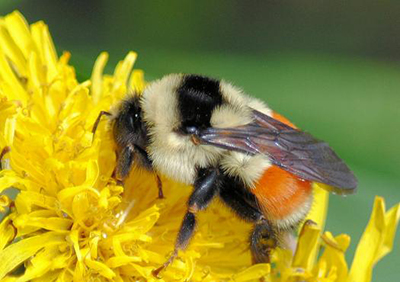
Important action is being taken across our state to protect honey bees. However, the public is less aware of the critical role Oregon’s native bees play in pollination and maintaining the healthy environment we all enjoy – nor of the threats they face. Did you know eight different species of native bees are currently listed…