
Public Health Standards
Protecting Communities. Preventing Pollution. Promoting Justice!
Our Proposed Policy Solution: Public Health Standards
The Public Health Standards (PHS) – originally called the Public Health Overlay Zone – are proposed updates to Eugene’s land use codes that will:
-
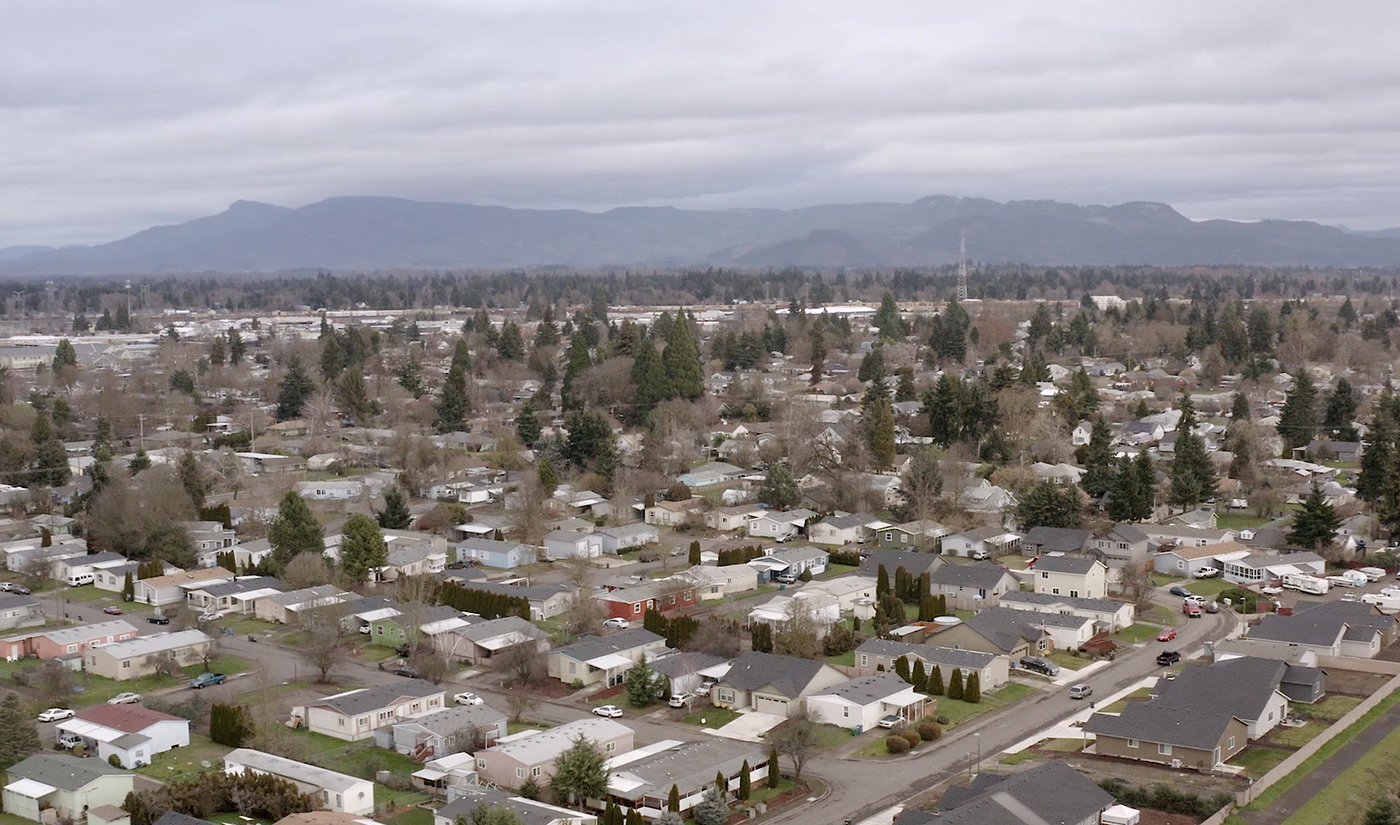
Create protective buffer zones between polluting industries and sensitive sites like homes, schools, parks, and daycare centers.
-
Require more review and community input before new industrial developments are approved.
Ultimately, we believe this policy has the potential to stop highly toxic facilities like J.H. Baxter from being placed next to residential neighborhoods in Eugene, Oregon ever again!
Recent Public Health Standards Updates
What's the Difference Between Versions 3 and 4?
The proposed land use code changes improve coordination between the City of Eugene’s building permit process and permitting done by public health regulatory agencies relating to air, land, and water quality in Eugene’s industrial areas—specifically, in land use zones E-2 Mixed-Use Employment, I-2 Light-Medium Industrial, and I-3 Heavy Industrial.
Both Versions 3 and 4 require that the City notify regulatory agencies that a development permit has been submitted in one of the specified zones.
Version 3 has an additional requirement that applicants must document and attest to the air, land, and water quality permits they need.
Version 4 does not require applicants to submit this documentation. This version was recommended by the Planning Commission.
A History of Industrial Pollution in West Eugene
Early 2000s
-
Community members and teachers in West Eugene contacted Beyond Toxics about toxic smells and children getting sick at school.
-
Reports of noxious odors, headaches, and the inability to use backyards became alarmingly frequent.
-
Beyond Toxics began organizing, investigating, and advocating for clean air and environmental justice.
2021
-
DEQ testing found dangerously high levels of dioxins—a cancer-causing chemical—in soil and groundwater near the J.H. Baxter wood treatment facility.
-
In March, DEQ fined J.H. Baxter over $223,000 for environmental violations, including illegal hazardous waste disposal and pollution of Amazon Creek.
-
The site is now added to the National Priorities List, slated to become a Superfund cleanup site.
September 2022
-
Beyond Toxics formally introduced the Public Health Overlay Zone proposal to the Eugene City Council.
October 2023
-
The Eugene City Council voted unanimously to direct staff to draft new Public Health Standards for the city’s land use code.
-
The Council’s vote reflected years of organizing and direct advocacy from West Eugene residents and environmental justice partners.
January-May 2025
-
The City is meeting with key stakeholders and community members to develop Public Health Standards, research best practices.
-
City staff will provide an update to Council on the results in Summer 2025.
June 2025
Per the City of Eugene, these actions include:
Action 1: Draft land use code amendments to require that an applicant demonstrate, prior to the issuance of City Development permits, that either:
-
the applicant has been issued all necessary licenses and permits from pollution control agencies like the Lane Regional Air Protection Agency (LRAPA) and Oregon Department of Environmental Quality (DEQ), or
-
the applicant has applied for the necessary licenses and permits, and the licenses and permits are likely to be issued.
Action 2: Upon completion of a Hazard and Risk Analysis Study, led by the City’s Sustainability Program, draft potential land use code amendments informed by the results of the study.
City staff are currently drafting code amendments. The Hazard and Risk Analysis is anticipated to be completed by summer 2026.
March 2026
The City of Eugene is weighing Version 3 and Version 4 of the land use code amendments.
Version 3 includes requirements that building permit applicants in specified land use zones submit additional documentation on which air, land, and water quality permits they seek.
Version 4 does not have that requirement.
The first hearing took place on March 9, 2026.
What's at Stake?
The Biofuels Terminal That Almost Happened

Our Ongoing Advocacy
Beyond Toxics continues to push for the city to follow through on its commitment to protect neighborhoods from industrial harm by:
-
Pressing for the immediate adoption of Public Health Standards citywide.
-
Ensuring sensitive sites are identified and protected before industrial permits are granted.
-
Supporting impacted communities with organizing tools, testimony workshops, and legal insights.
-
Demanding that polluters, not people, bear the burden of proving their projects are safe.