Personal Care Products

Take the best care of yourself with a toxin-free routine.

When you take time to take care of yourself, you deserve peace of mind in knowing that your care routine is free of toxins. Many oral and period care products contain harmful chemicals that are easily absorbed into the body. Luckily, there are lots of easy ways to reduce exposures and live naturally.

Explore our in-depth guides:

  • Baby Care: DIY recipes for safe, natural solutions to care needs for your little ones.

  • Bath Care: DIY, at-home recipes to spruce up your bath routine with peace of mind, free from chemicals.

  • Oral Care: Tips for avoiding common sources of harmful ingredients and how to take care of your oral health safely.

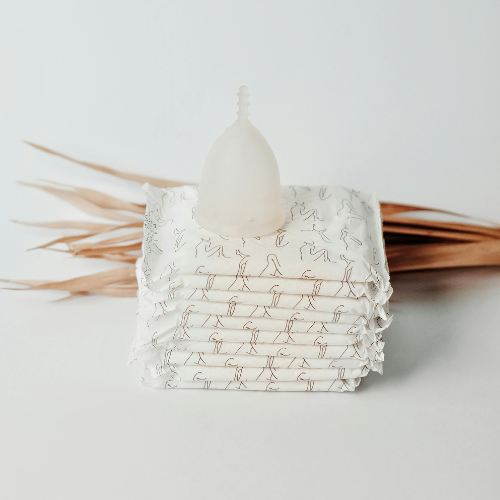
  • Period Care: Learn about exposure risks associated with using tampons, pads, and even products marketed as “sustainable alternatives.”

Common Packaging Labels
Open Jar

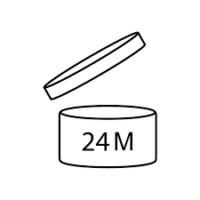
The open jar symbol tells you how long the product will stay good after it’s been opened in months and/or years. If the time period is given in months, it can be represented by a number followed by the word “month(s)” or by “M” inside or next to the jar symbol. The U.S. Food and Drug Administration (FDA) does not require manufacturers to print expiration dates on cosmetic labels.

Universal Recycling Symbol

Also known as a “Möbius loop,” this symbol indicates that the container is recyclable. There are variations of the symbol to communicate information about the container, for example, if the container is made from recycled material, it will have the symbol inside a solid circle. If the triangle symbol is inside a circle and has a percentage inside the symbol or next to it, this indicates the container is made from a percentage of recycled material. If there’s a number inside the triangle and letter below, this tells the particular resin used in making the container’s plastic to help the recycling process.

PETA Cruelty-Free

The bunny symbol is from the People for the Ethical Treatment of Animals’ (PETA) certification program to indicate that the manufacturer and its supplier does no animal testing at any point in the product’s lifecycle. There is also a “cruelty-free and vegan” symbol which signifies that the manufacturer also uses vegan ingredients in their products. Other certifications, like Choose Cruelty Free, require documentation but not audits. Therefore, it’s important to be cautious and do your own research when assessing the validity of cruelty-free logos.

Ecocert

Ecocert is an independent certification body that certifies its own products. It sets and oversees its own standards for organic and environmentally friendly products. When a product meets its criteria, it can receive the Ecocert certification label. With binding contracts, audits, and reviews, Ecocert is a trusted label for those looking for socially responsible, sustainable, organic, and fair-trade brands.

BPA Free

While some products claim to be "BPA-free," not all such labels are regulated or accurate. To best avoid BPA’s, research independently. Take products labeled "BPA-free" with a grain of salt. Instead, look for recycling codes: #3 for PVC and #7 (other) for possible BPA presence.

Certified Vegan

The Certified Vegan Logo is a registered trademark that helps people identify products that contain no animal products or byproducts and that have not been tested on animals. In addition to animal products, items made from bone char like sugar, or insect byproducts like silk or honey, do not qualify as vegan. Products that have this label are certified by Vegan Action, a non-profit organization with a rigorous certification process that involves reviewing ingredients, assessing manufacturing processes, and conducting on-site inspections.

Sulfate Free

Sulfates are harsh cleansing agents, often found in hair care products, face washes, or body soaps. Brands claim to be sulfate-free to attract consumers seeking gentler products that won't strip them of natural oils. If you’re concerned about sulfates in your soaps or shampoos, look for names like "Sodium Lauryl Sulfate" (SLS) or "Sodium Laureth Sulfate" (SLES) on ingredient lists. Beware of similar-sounding compounds, and try to do additional research.

Fair Trade

These products have been produced according to rigorous social, environmental, and economic standards, ensuring fair wages, safe working conditions, and sustainable practices for producers and workers.
In terms of household cleaners, neither ingredients nor products must meet any sort of safety standard, nor is any testing data or notification required before bringing a product to market.
— Rebecca Sutton, PhD, senior scientist at the Environmental Working Group