
Bleach
Enter a statement here, keep it brief...
Household bleach (sodium hydroxide) is not, technically speaking, considered corrosive or toxic, even if ingested. However, bleach exposure can cause irritation in the eyes, mouth, lungs and on skin. Individuals with asthma or other breathing problems are particularly susceptible. It can burn human tissue, internally or externally, especially in small children. The accidental swallowing of bleach is the most frequently received call at Poison Control Centers involving children under the age of six. Bleach manufacturing also produces dioxin, a chemical that is harmful to the environment.
According to the National Library of Medicine (4), mis-applied bleach or the mixing of bleach with other chemicals can be harmful or even lethal. In a 2010 pediatric study found that in a 16-year period there were nearly 270,000 US children, under the age of five, were injured by household cleaners. Bleach was the leading source of injury among these children and usually through ingestion. A spray bottle was the most common source of the ingestion.
Proper Use
- Never mix bleach with other cleaners
- Always wear protective gloves, goggles, and long-sleeves when using bleach
- Only use bleach in well-ventilated areas with plenty of fresh air
- Keep children and pets away from treated site for 8-12 hours
- Store bleach in well-ventilated areas and away from children and pets
Disposal
Best: Use up or give away. Dispose of empty container in the garbage.
Second Best: If your home is connected to a city sewer system and you are unable to use or give away leftover bleach, flush small amounts down an inside drain (toilet is preferable) with lots of water. If you are on a septic system, flush very small quantities over several days. Place small amounts of powdered or solid cleaner in a heavy-duty plastic bag and dispose of in the garbage.
Third Best: Hold for a household hazardous waste collection. In Oregon, call 1-800-732-9253 to find out if there is a hazardous waste collection event scheduled in your community, or call your garbage hauler, local government solid waste department or the
Oregon Department of Environmental Quality
at (503) 229-5913 or toll-free at 1-800-452-4011.
Hazardous Ingredients
- Sodium hypochlorite (caustic soda and chlorine)
- Calcium hypochlorite
Health Hazards
Bleach causes eye irritation, irritation of the mouth and throat but is fairly benign when ingested. Household bleach, when used according to label directions– meaning using recommended ventilation and protection, is surprisingly non-toxic to humans. An extreme hazard can present itself if bleach is mixed with other household cleaners. This is especially true for toilet bowl cleaners and ammonia: if mixed it can result in the release of chlorine gas, an asphyxiant. When chlorine gas comes in contact with the moist tissues of the eyes or lungs, hydrochloric acid (HCl) results. Hydrochloric acid can damage the tissues in airways, lead to asphyxiation, and can result in death.
Alternatives
For Laundry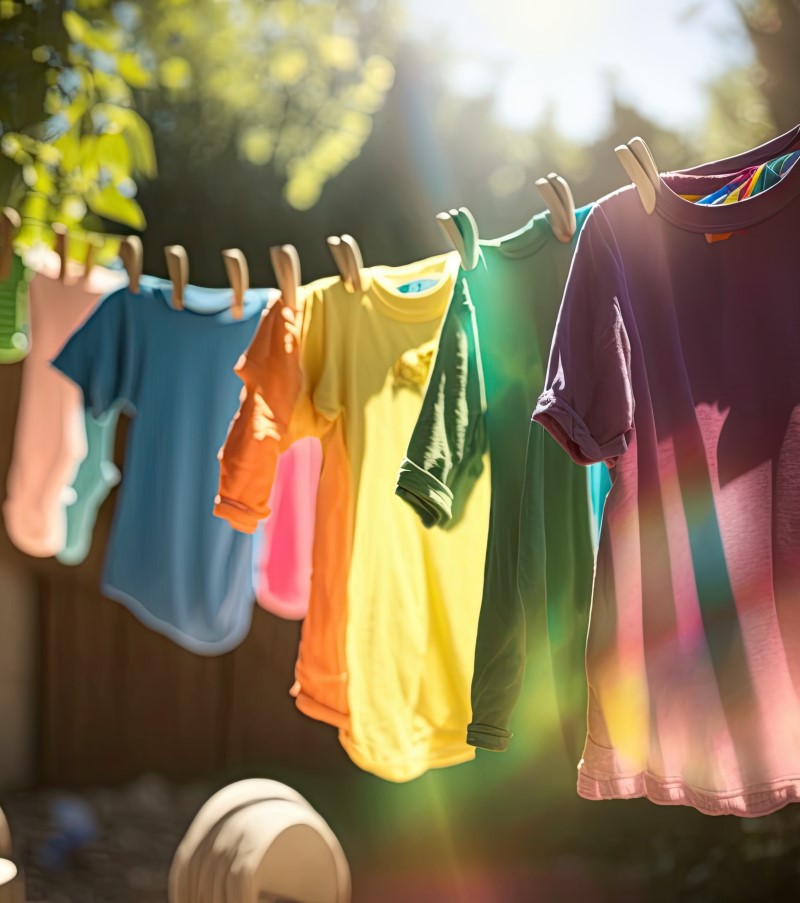
1) Hydrogen Peroxide:
To whiten and brighten clothes, add 1 cup of hydrogen peroxide to each washer load of laundry. This method is safe for both colored or white clothes because when exposed to light, hydrogen peroxide becomes a biodegradable oxygen-based bleach due to it eventual breaking down to water and oxygen.To dispense evenly amongst the clothes, the hydrogen peroxide should be placed in the automatic bleach dispenser of the washer or added as the washer is filling with water. To prevent spotting, do not pour hydrogen peroxide directly on dry colored fabrics.
2) Baking Soda:
Add 1/2 cup of baking soda to your usual laundry detergent to boost the detergent’s cleaning capabilities and leave clothes looking whiter and brighter. Before adding laundry, add the baking soda directly to the washer drum. This method is safe for both standard and high-efficiency washers. (See also: How to Use Baking Soda in Laundry)
3) Use Oxygen-Based Bleach:
The Spruce provides a guide for different methods of use for oxygen-based bleaches. As well as “Popular Oxygen Bleach Brand Names,” which include: OxiClean, Country Save Bleach, Purex 2 Color Safe Bleach, Nellie’s All Natural Oxygen Brightener, and more! For the best results when using Oxygen Bleaches, let the clothes sit in a water/oxygen bleach mixture for at least two hours or overnight before washing. Be sure to follow the instructions of the product.
4) Distilled White Vinegar:
Presoak white clothes and linens in a solution of one part distilled white vinegar and six parts warm water in a tub, sink, bucket, washer drum, etc. Ensure that all the pieces of white clothes are completely submerging to ensure that all areas are wet with the solution. Let items soak overnight then wash as usual.
5) Lemon Juice:
To keep white clothes bright, add one cup of lemon juice to the washer. The acidity from lemons, like vinegar, can act as a natural bleach. To treat stronger discoloration, add the discolored clothing to a pot of boiling water with the slices of one lemon. Ensure that the heat is turned off and soak overnight. Then continue to wash as usual.
6) Clothesline:
Installing a clothesline outside, is a cost-saving way to utilize the sun’s ultraviolet rays and whiten your clothes. The carbon footprint from this alternative method is nearly zero. The use of ultraviolet rays work to whiten fabric, fade stains and disinfect while also drying. This is best for whites because colors may fade on colored fabrics.
For Household Cleaning
There are many safe and natural alternatives for removing stains and keeping whites white. If you prefer purchasing an alternative solution to making your own, look for non-chlorine in the laundry section of your supermarket or opt for an oxygen-based whitener. Of course, the best way to know exactly what is in the products you’re using is to make them yourself.
1) Alcohol:
Combine two parts isopropyl alcohol to one part water. Let the alcohol/water mixture sit for 30 seconds before wiping the surface. 60% alcohol or more is an effective alternative to chemical disinfectants. Most common disinfectants such as hand sanitizers, cleaning wipes, etc. utilizes 60% alcohol.
Combine ¼ cup of Vodka and 2 ¾ cup of distilled water with 15-20 drops of essential oils such as lemon or tea tree. Use spray on counters, sinks, light fixtures and more.
2) Hydrogen Peroxide:
Using 3% hydrogen peroxide right out of the bottle to wipe down surfaces, serves as a disinfectant. Diluting to a 0.5% concentrate is also an effective disinfectant. Dilute by mixing 2.5 parts water to 0.5 parts hydrogen peroxide. Leave the mixture on the surface for at least one minute before wiping. Hydrogen peroxide is an antiseptic, meaning it has the ability to kill bacteria and viruses by breaking down the cell walls of the bacteria.
3) White Vinegar:
Due to the high acidity, vinegar can serve to reduce bacterias found on surfaces. These won’t leave surfaces completely bacteria-free but it is a safer alternative to other harmful disinfectants products.
4) Lemon:
Rubbing lemons on hard surfaces utilizes its citric acid to reduce bacteria and sanitize surfaces. While this is less effective than vinegar and chemical cleaners, it is one of the better smelling solutions. The citric acid works well on alkaline stains like soap scum.
Combine vinegar 1:1 water solution with lemon juice of lemon essential oils to create a scented spray to clean surfaces
5) Hot Water and Steam:
Heat water to a temperature between 140ºF and 212ºF (boiling) to kill bacteria and viruses. Steam from boiling water is also effective at breaking down tough stains and sanitizing hard and soft surfaces. These processes are a bit slower and sometimes take up to 20 seconds to sanitize an area completely. + Safety
6) Essential Oil + Castile Soap (3):
Herbs and essential oils have long been used for their fragrance, aroma and medical properties.Tea Tree oil is one of the most promising essential oils with antibacterial properties. Along with Eucalyptus, Thyme, Cinnamon. Combining antibacterial essential oils with a few drops of Castile Oil (commonly made from vegetable oils) can create a bacteria-fighting cleanser.
Chemical Alternatives:
There are now many store bought “green, eco-friendly” disinfectant products that are biodegradable, free of highly toxic chemicals, and/or made of recycled material.
References
1) Candian Centre for Occupational Health and Safety
2) 6 Green Laundry Bleach Alternatives by Mary Marlowe Leverette, The Spruce
3) How to Use Oxygen Bleach for Laundry and Stain Removal By Mary Marlowe Leverette, The Spruce
4) Bleach Toxicity – Thomas Benzoni; Jason D. Hatcher, National Library of Medicine
5) Everyday enviro with Elise: don’t reach for the bleach By Elise Catterall
6) Essential Oils as Antimicrobial Agents—Myth or Real Alternative? | https://www.ncbi.nlm.nih.gov/pmc/articles/PMC6612361/
MORE: “Scented laundry products emit hazardous chemicals through dryer vents“
ALSO: Do It Yourself: All-natural Homemade Bleach Alternative
ALSO: EPA Says Natural Disinfectant as Effective as Bleach; What Does Your Childcare Facility Use? by Katie Kimball @ Kitchen Stewardship