
Disinfectants
Enter a statement here, keep it brief...
Proper Use
-
Use according to label instructions.
-
Avoid aerosol dispensers to reduce exposure to hazardous vapors.
-
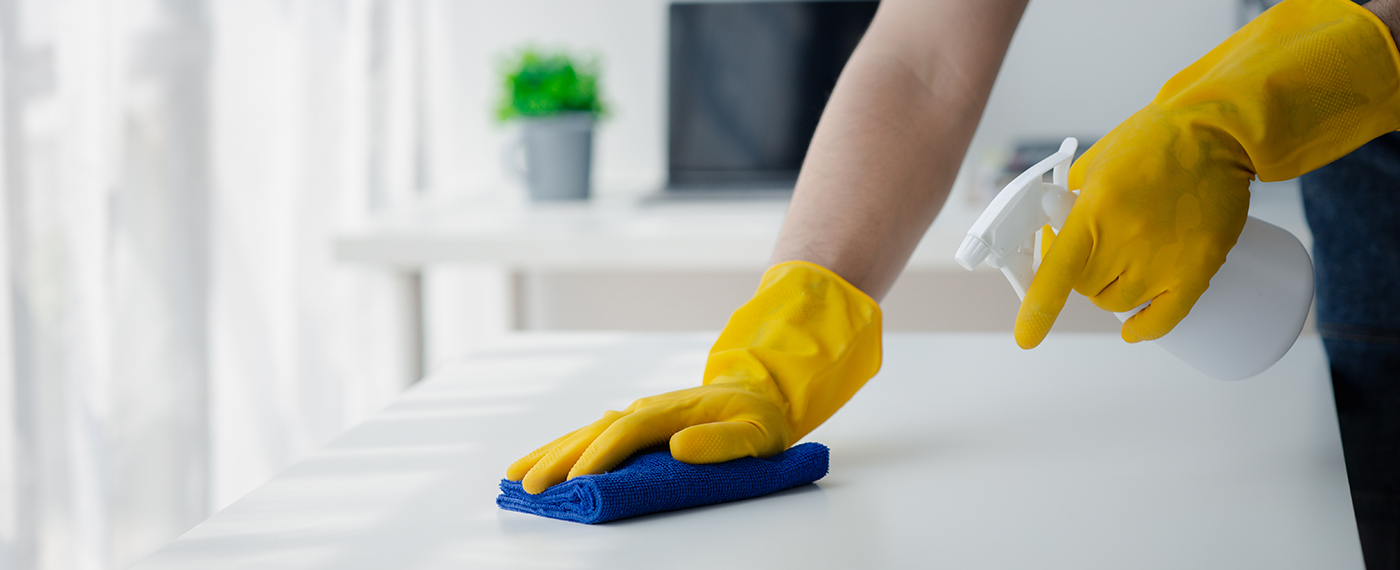
Use chemical splash goggles and heavy rubber or nitrile gloves to protect from corrosive effects.
-
Use in a well-ventilated area.
-
Do not use around food, pets or children.
-
Keep container lid tightly closed when not in use and store out of reach of children.
-
Best: Use up or give away. Dispose of empty, nonaerosol containers in the garbage.
-
Second Best: if connected to a city sewer system, flush small amounts of disinfectants down an inside drain (toilet is preferable) with plenty of water.
-
Third Best: If you are on a septic system or have aerosol containers, hold for a household hazardous waste collection. In Oregon, call 1-800-732-9253 to find out if there is a hazardous waste collection event scheduled in your community, or call your garbage hauler, local government solid waste department or the Oregon Department of Environmental Quality at (503) 229-5913 or toll-free at 1-800-452-4011.
Disposal
Enter text on proper disposal…
Hazardous Ingredients
- Ammonia
- Aromatic hydrocarbons
- Cationic detergents
- Formaldehyde
- Hydrocarbon solvents
- Lye (sodium or potassium hydroxide)
- Monoethanolamine
- Phenols
- Pine oil
- Quaternary ammonium chlorides
- Sodium borate (borax)
- Sodium hypochlorite
- Triethanolamine
Health Hazards
Irritant, may be flammable or corrosive
Alternatives
-
Rubbing alcohol is a disinfectant, although it is extremely flammable. Use in a well-ventilated area far from possible sources of ignition. Wear nitrile gloves. Apply with a sponge and allow to dry.
References
For LOADS of green cleaning suggestions, we recommend the book:
“The Naturally Clean Home: 150 Super-Easy Herbal Formulas for Green Cleaning“ by Karyn Siegel-Maier