
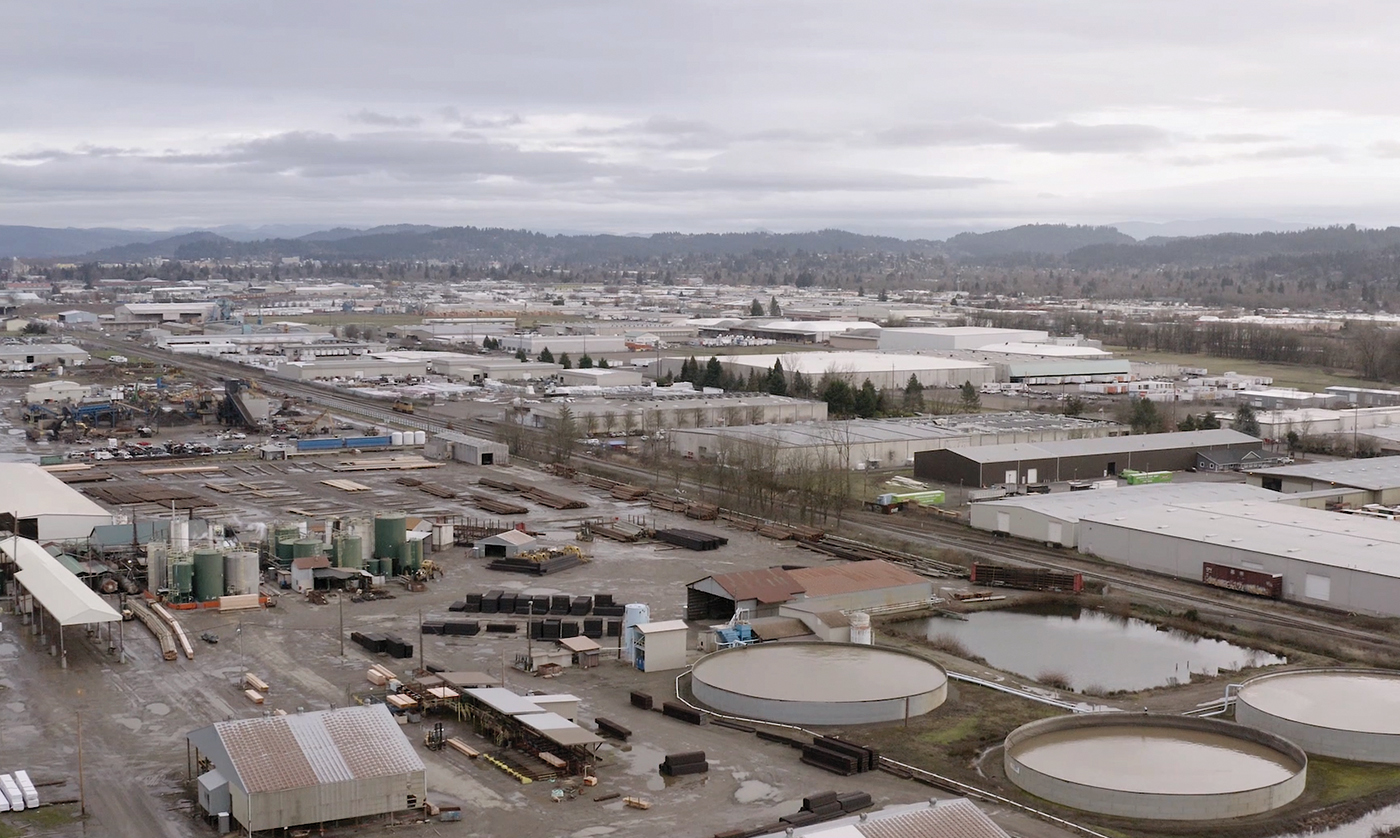
The J.H. Baxter Saga
After years of community organizing, a notorious polluter is shut down
Latest Update
At the end of December, EPA public affairs specialist Alice Corcoran outlined what’s next for the J.H. Baxter Superfund site:
-
EPA sampling in January 2026 will identify areas with worst contamination to determine if any additional removal work is required
-
More sampling will begin in spring or summer 2026
-
As sampling plans are developed, the need to sample additional residential properties will be evaluated
J.H. Baxter president Georgia Baxter-Krause was also released from a Washington state federal penitentiary following her 90-day sentence for Clean Air Act violations.
Next Steps
EPA performs a Remedial Investigation & Feasibility Study
-
The investigation includes a Human Health Risk assessment and Environmental Risk Assessment
-
Soil sampling will continue to determine the boundary of the Superfund Site beyond the J.H. Baxter property line
These inform the Proposed Plan for cleanup, which will be open for public comment upon completion.
EPA creates a Community Involvement Plan
-
EPA will interview community members and create a plan for involvement. This plan will be open for public comment as well.
-
Community meetings will be held throughout the process
-
Opportunity to apply for a Technical Assistance Grant, to hire a technical advisor to review plans & reports

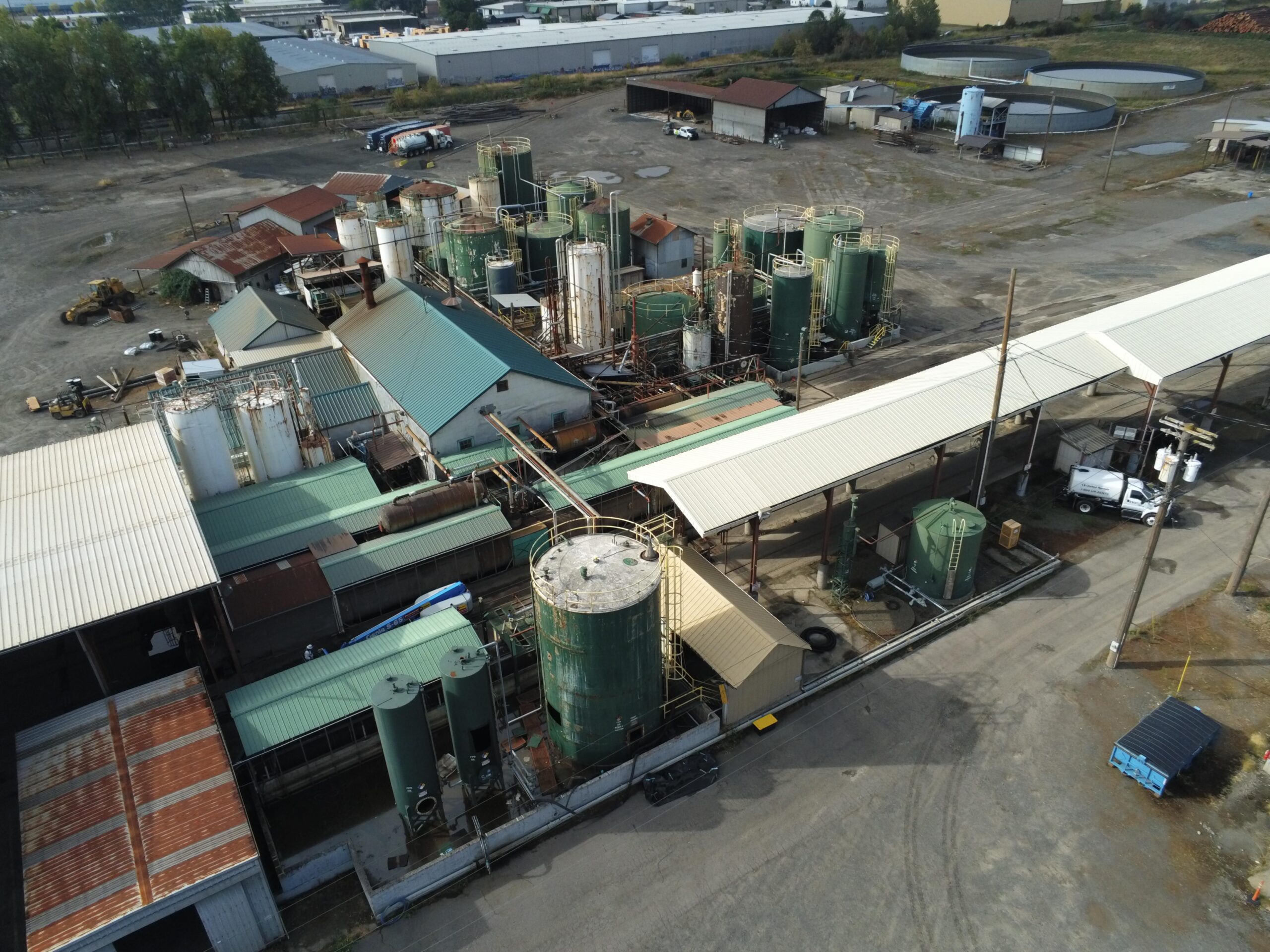
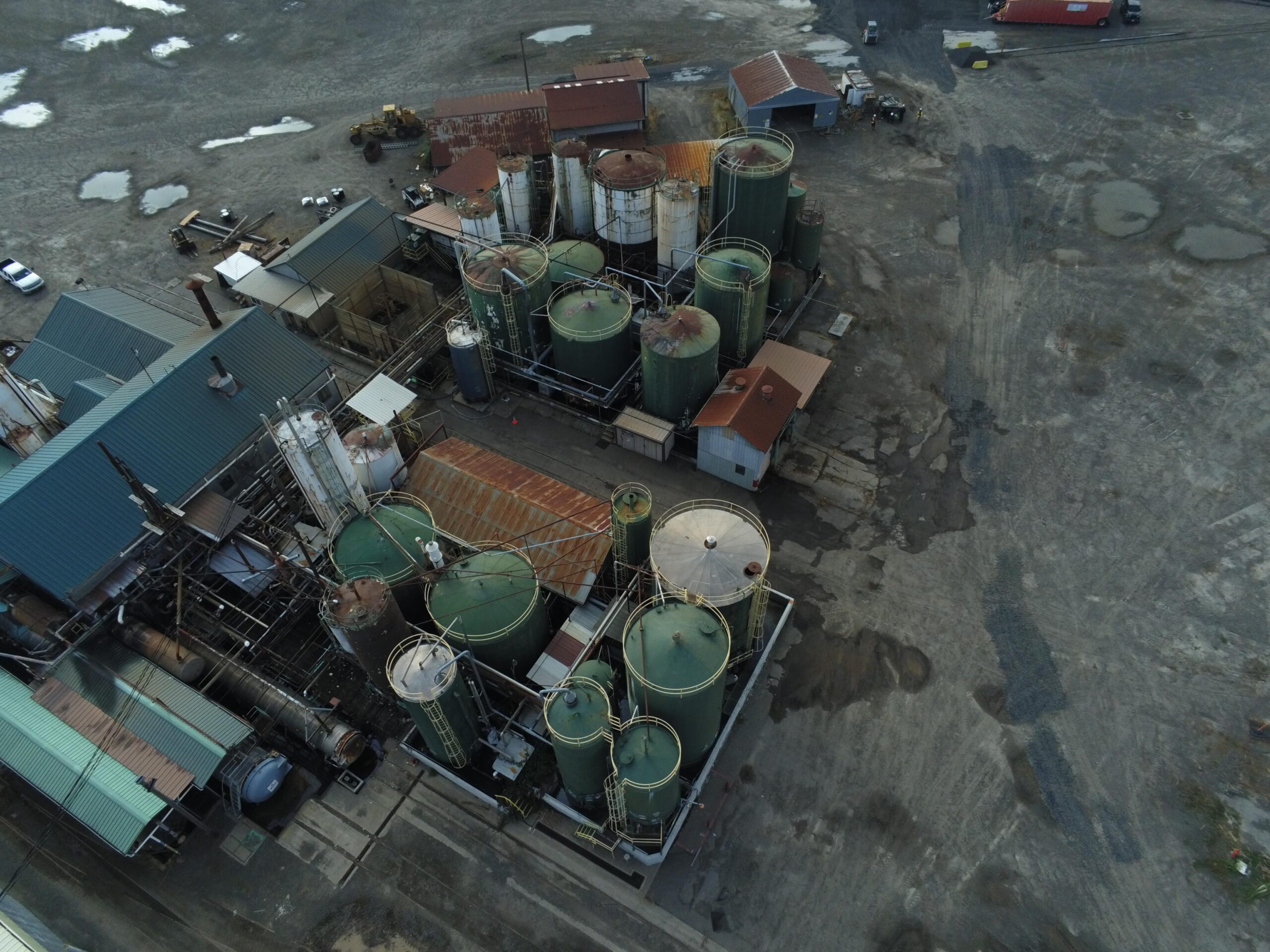
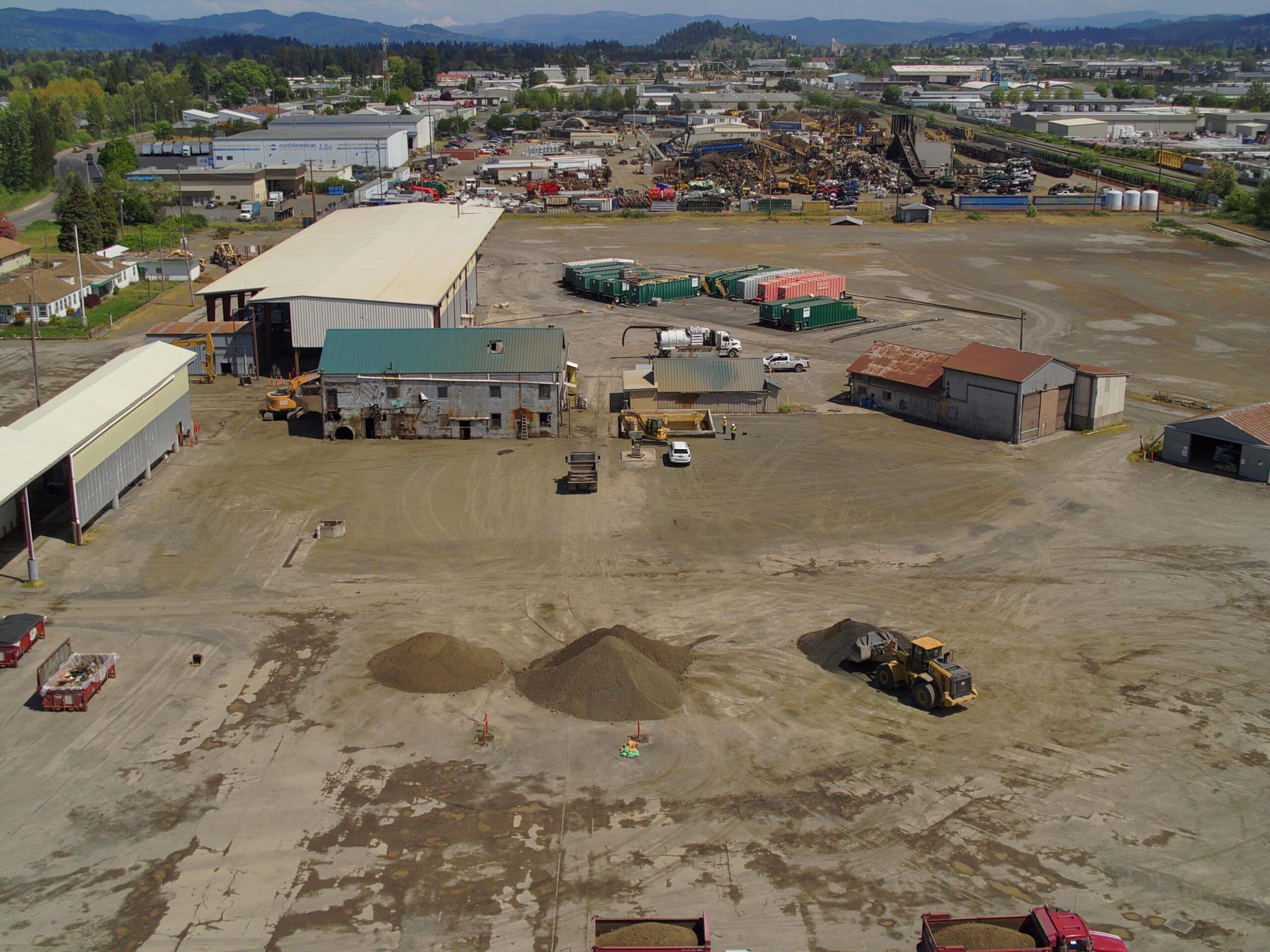
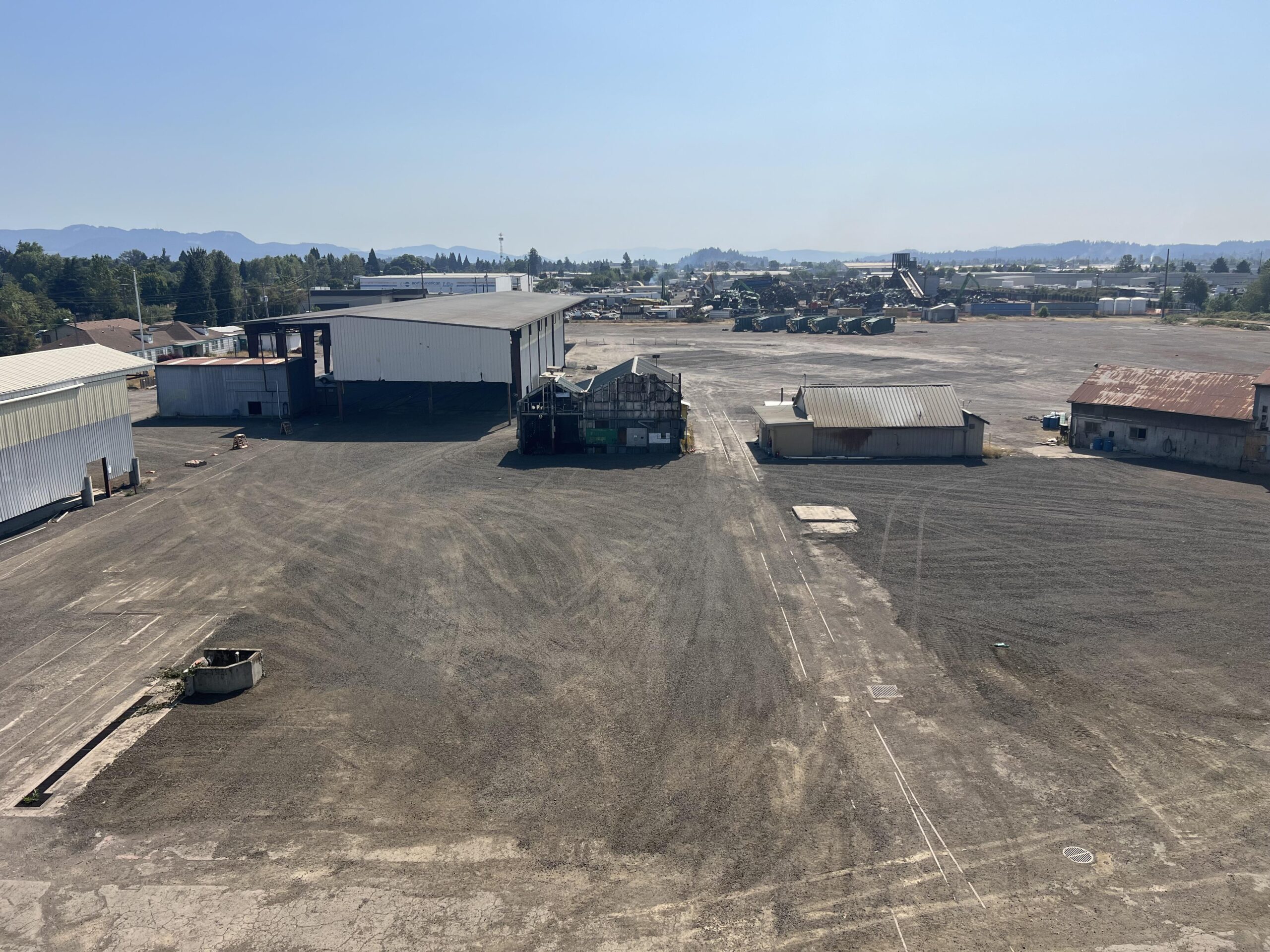
In 2025
A Brief Timeline of the J.H. Baxter Saga
2004: Lane Regional Air Protection Agency logs more than 700 complaints from 100 households alleging sickness from fumes coming from J.H. Baxter.
2007: A three-year study encompassing 14,694 West Eugene households finds a pattern of lung cancer and acute leukemia near J.H. Baxter.
2018: J.H. Baxter fined for mishandling and improper storage of hazardous waste.
2019: J.H. Baxter found responsible for release of hazardous levels of naphthalene, a chemical commonly used in wood treatment.
2020: Beyond Toxics launches pilot air quality study with Oregon State University Northwest Center for Translational Environmental Health Research.
2021: DEQ fines J.H. Baxter for hazardous waste and water quality violations.
2022: Air quality study concludes with data showing elevated levels of polycyclic aromatic hydrocarbons (PAHs), known air pollutants found in creosote which is used to treat wood.
January 2022: J.H. Baxter ceases operations, citing an inability to pay for site cleanup or additional testing. Oregon DEQ declares J.H. Baxter an Orphan Site.
January 2024: DEQ begins cleanup of residential properties in West Eugene.
April 2025: J.H. Baxter President Georgia Baxter-Krause pleads guilty to criminal charges and is sentenced to 90 days in federal prison.
July 2025: J.H. Baxter site added to EPA National Superfund Priority List.